

Benefits.
There are countless benefits to getting outside. Nature-Based therapy provides the opportunity for deep learning and meaningful benefits. Activities such as outdoor exploration, plant identification, creative play, mindful movement, puddle-jumping, climbing, swinging, mud play, fort-building, and more promote skill-building, adventure, and resiliency.
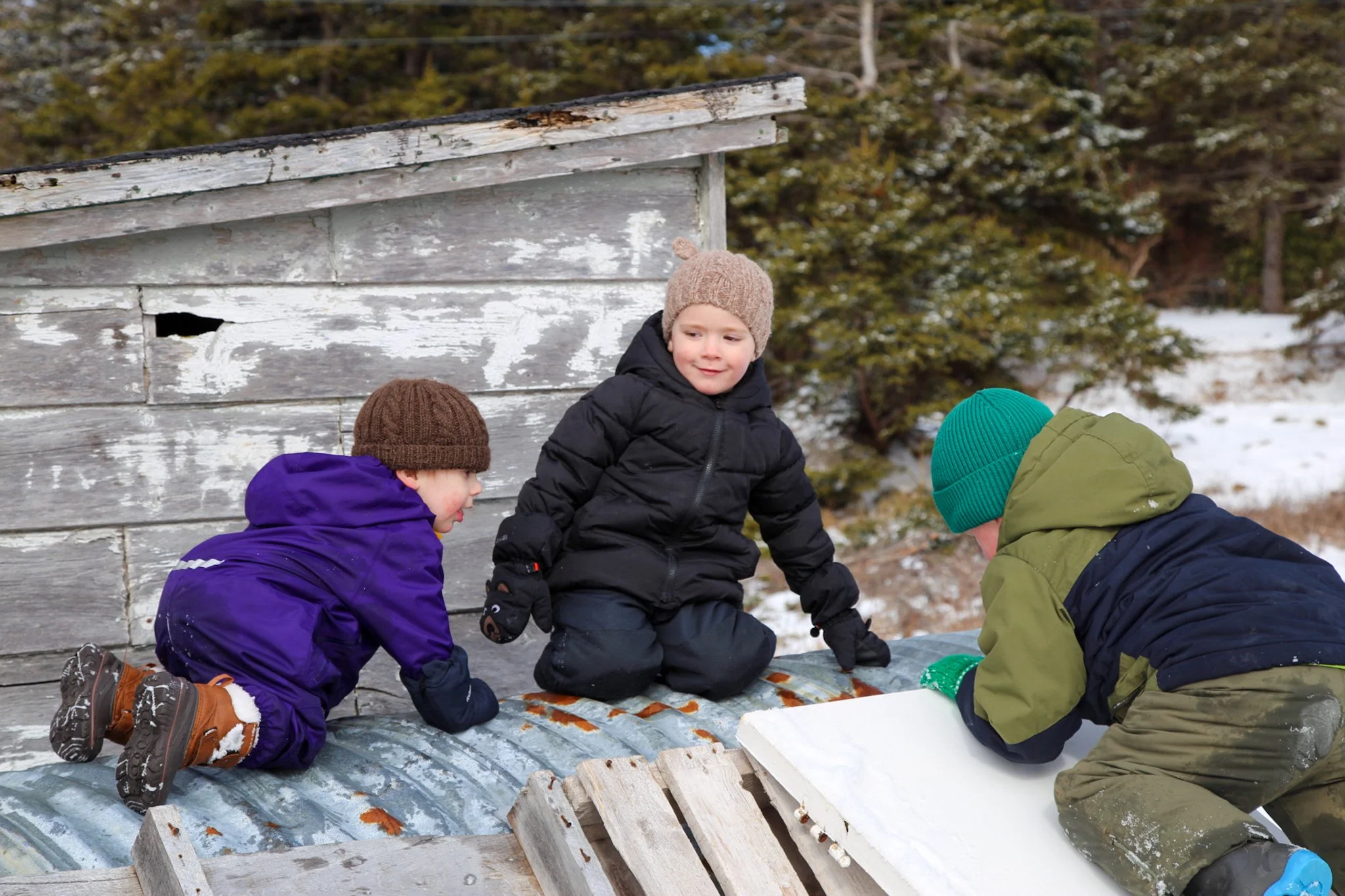
Social & Play Skills
Participating in group-based programming provides consistent exposure to interpersonal opportunities.
Creative group play and communication with group members supports skills such as:
Self-awareness
Self-expression
Social connection and relationship building
Social awareness
Cooperation
Conflict resolution
Problem-solving
Leadership
Listening
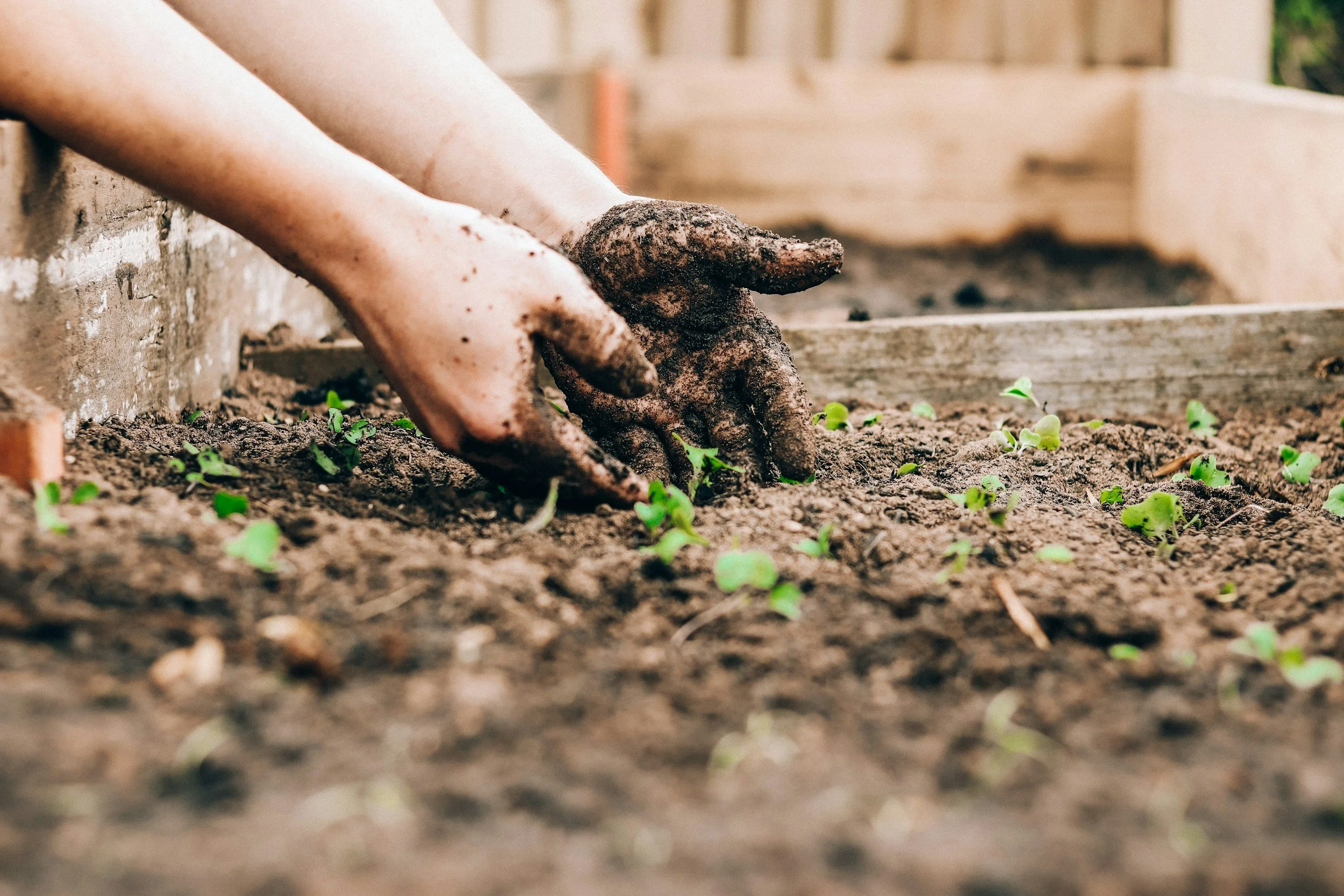
Sensory Integration & Regulation
Nature is a sensory-rich and sensory-balanced environment that provides exposure to dynamic activities that engage the senses:
Vision
Hearing
Smell
Taste
Tactile
Proprioception
Vestibular
Interoception
Nature-based therapy can support:
Co-regulation & self-regulation
Adaptability
Attention
Sensory integration
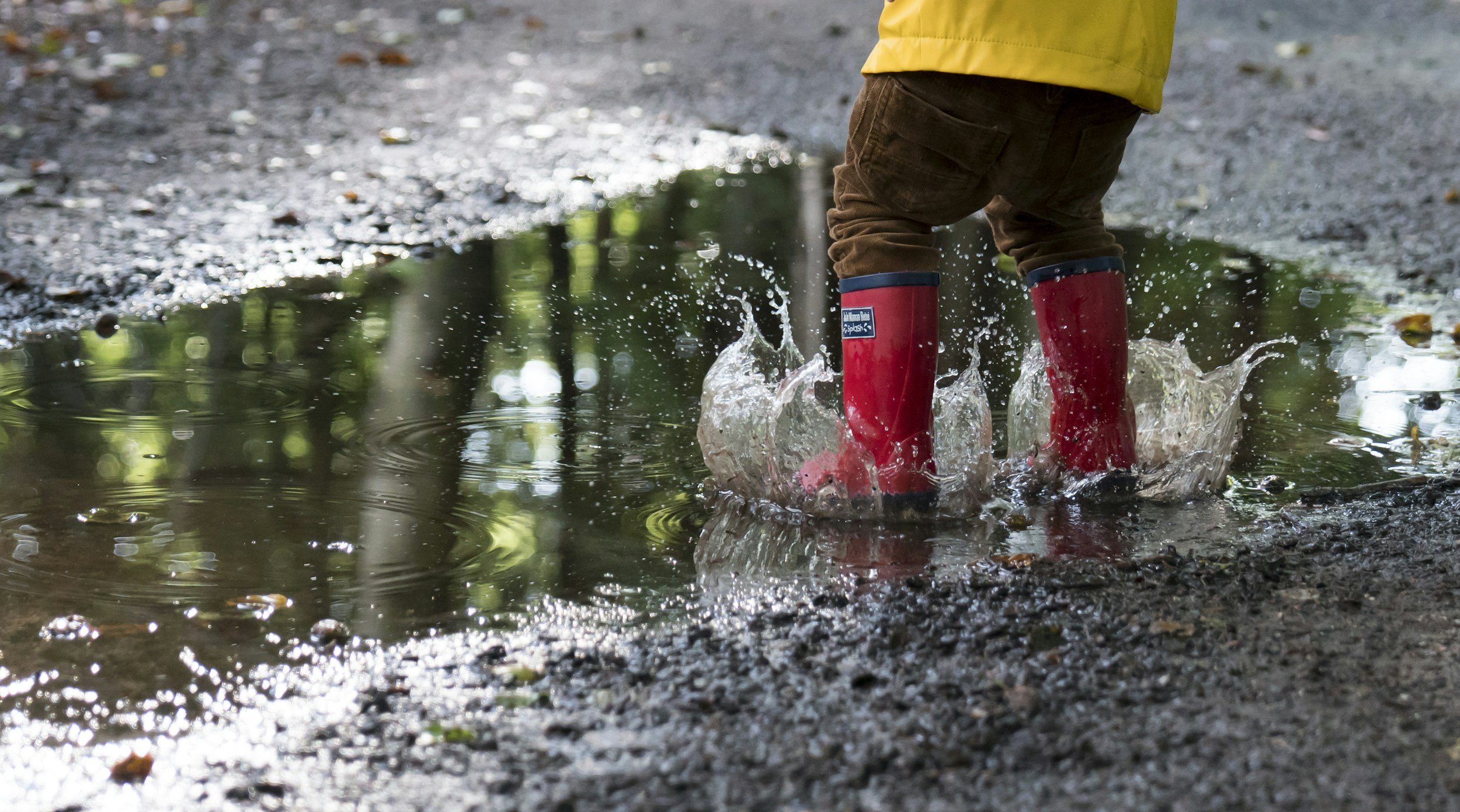
Motor Skills
Outdoor adventure and nature-based play naturally activate the body’s vestibular and proprioceptive systems, as activities take place on uneven surfaces and with natural objects.
Walking, running, climbing, building, and swinging, etc. can target Gross motor skills, such as:
Balance
Coordination
Strength
Holding, grabbing, manipulating and exploring objects, can target Fine motor skills, such as:
Hand-eye coordination
Dexterity
Grasp

Mental Health
Nature offers a rich and balanced sensory environment that can improve mood, energize, and promote calm, benefitting mental health.
Nature-based therapy can impact the following:
Attention restoration
Cognitive flexibility
Perseverance
Problem-solving
Confidence
Resiliency
Engagement in everyday tasks